

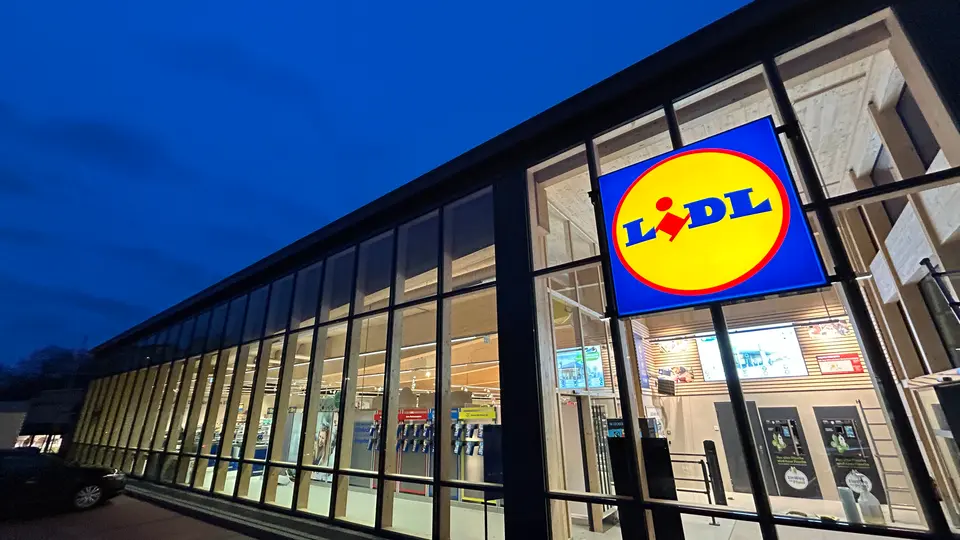
Description
Circular construction and CO₂ reduction are becoming central to real estate development, and Lidl Germany is setting an example with its new store in Wangen. The project integrates ORAÉ®, Saint-Gobain’s first low-carbon glass, marking a milestone in sustainable retail architecture.
ORAÉ® reduces carbon emissions by 42% compared to the European average for clear glass production, thanks to a 64% recycled glass content. For the store’s large showcase windows, it is combined with COOL-LITE® XTREME 50/22 II solar control coating, harmoniously integrated into the wooden façade.
Timber plays a key role throughout the construction:
- The building was assembled in just four weeks using prefabricated elements.
- Its structure stores around 700 tons of CO₂ across the roof, façade, walls and ceilings.
- The design avoids composite materials, ensuring easy disassembly and recycling of all components in the future.
The store also features cutting-edge energy efficiency measures, such as waste heat recovery from refrigeration units to heat the building, minimizing reliance on fossil fuels. With these innovations, the Lidl Wangen store is targeting DGNB Platinum certification, demonstrating how retail architecture can successfully combine sustainability, efficiency and circular design.
Related products

COOL-LITE® XTREME 50/22 II
COOL-LITE® XTREME 50/22 II is a heat treatable triple silver solar control coating with an outstanding selectivity of 2.24.
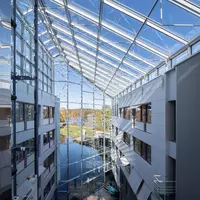
ORAÉ®
The selective solar control product families COOL-LITE® XTREME and COOL-LITE® SKN are available on ORAÉ® substrate, the new low-carbon glass of Saint-Gobain Glass.
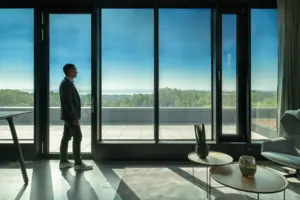
SAGEGLASS®
SageGlass tints and clear automatically accordingly to weather conditions thanks to a sensor installed on a roof or on the façade of a building. It optimizes daylight and thermal comfort without the need to install blinds or shades. This electrochromic glass, also called dynamic glass or smart windo